
[ad_1]
iplicit has launched an artificial intelligence (AI) analytics and reporting suite as the centrepiece of a wider rollout aimed at UK and Ireland mid-market finance teams.
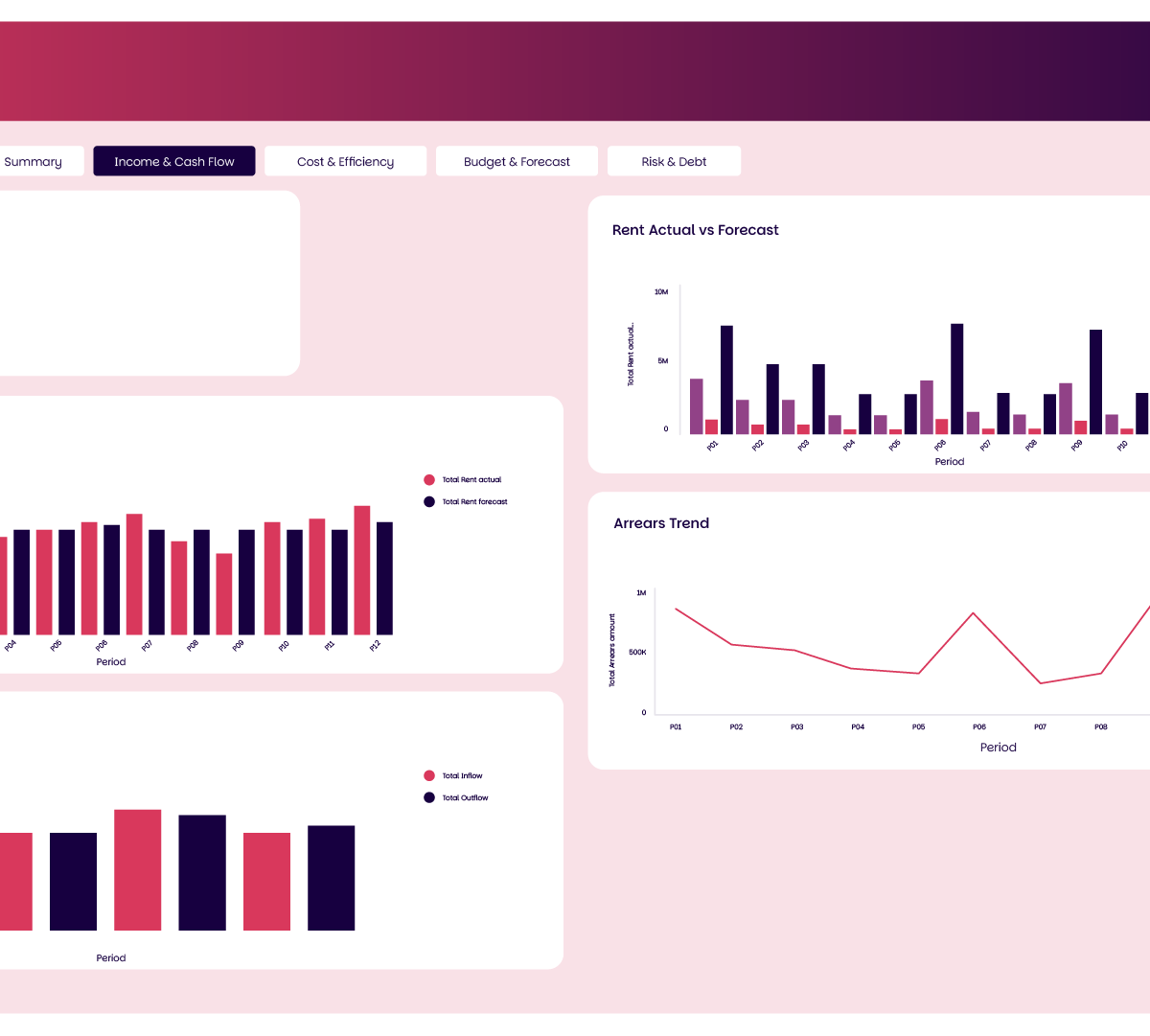
The new product, iplicit Insights, is the first major release under the vendor’s AI Pulse platform. Phase one focuses on an executive finance dashboard, which offers real-time visibility into metrics like cashflow, profit and loss and aged debt. While similar systems offer visibility through dashboards, the developer believes the product’s differentiator is its conversational reporting. Users can ask natural language questions such as “What are the key revenue trends?” and receive instant answers without manually building a report or exporting data.
In an exclusive interview with AccountingWEB, Paul Sparkes, chief product officer at iplicit, said that finance leaders should not have to “spend half a day in spreadsheets to answer a basic question about where the business stands”.
The system also makes self-service reporting more realistic for both finance teams and non-finance users. “We’ve had self-service reporting for years, but there’s always a follow-up,” Sparkes said. “Now budget holders or departmental heads can just get the information they need.”
The suite is available in beta from May, with a wider rollout planned from June.
The AI Pulse ecosystem
Beyond reporting, the wider iplicit AI Pulse platform includes an AI Detect feature, which the company released earlier this month. The tool scans for unusual activity such as duplicate invoices, potential fraud indicators or transactions submitted outside normal working hours, then explains its reasoning and suggests a next step.
The next planned agent covers credit control. According to Sparkes, it will build on existing collections functionality by highlighting changes in customer payment behaviour, surfacing cases where accounts may need to be put on stop, and helping finance teams prioritise chasing activity.
Sparkes added that the system uses a “semantic layer” to decide whether a query needs AI at all. For a straightforward query such as outstanding debt for a period, the system uses standard, deterministic reporting tools rather than involving AI, avoiding potential generative AI hallucinations and saving processing power for more complex tasks.
When it comes to pricing its new AI functionality, iplicit’s natural language reporting capabilities will be charged based on usage, with a fixed number of tokens starting at £49 a month. The company is offering AI Detect and the credit control agent as part of its standard platform.
Not just a plug-and-play system
iplicit’s pitch goes beyond simply plugging a third-party large language model into the ledger. The developer’s AI features are built into the same cloud-native architecture already used by finance teams.
“Everything works as if you were inside it,” said Sparkes, adding that the AI inherits all existing trust and security settings rather than operating as a separate add-on with its own access model. This allows finance teams to democratise data access across departments without “opening Pandora’s box” or bypassing permissions.
The company has also been certified against ISO/IEC 42001:2023, the international standard for AI management systems.
Where iplicit draws the line
In a market where many legacy providers are still grappling with integrating AI into older codebases, iplicit’s ground-up approach feels measured. For the mid-market accountant, the launch represents a subtle move away from AI potential towards pragmatic tools that move the daily “export, manipulate, and present” data cycle along.
For accountants advising mid-market clients, the Insights product is another sign that reporting is becoming a major battleground for cloud finance systems. Most vendors can talk about automation, dashboards and AI assistance, but the harder question is whether those tools respect the accounting system’s controls, permissions and audit trail.
This is where iplicit is trying to draw a line. Insights is an attempt to make the finance system itself more interrogable. While the potential benefits include faster answers, fewer spreadsheet detours and better access to management information across the wider business, the drawbacks are equally familiar: finance teams will still need to understand the numbers, challenge the output and decide what action to take.
As Sparkes put it: “AI surfaces the trends and variances that need attention. The finance team decides what to explore and how to act.”
[ad_2]
Source link