
[ad_1]
A bigger-than-expected fall in UK inflation has increased expectations that the Bank of England could begin easing the base rate later this year, potentially offering some relief for borrowers and investors who have been facing elevated mortgage costs.
The Office for National Statistics (ONS) says CPI inflation fell to 2.8% in the year to April, down from 3.3% in March, which was below many economists’ forecasts.
It was driven largely by lower gas and electricity bills after April’s reduction in the Ofgem energy price cap, which had been agreed before oil prices surged following the escalation of conflict in the Middle East. Food inflation also eased, while package holiday prices fell compared with a year earlier.
Core inflation at 2.5%
Core inflation, which strips out more volatile items such as food and energy, dropped back to 2.5% — its lowest level in several years and is a figure that is likely to be closely watched by both the mortgage markets and the Bank of England.
Financial markets have already been pricing in future base rate cuts following signs that the wider economy is weakening. ONS labour market figures released this week showed the UK shed around 100,000 payroll jobs in April, while regular pay growth slowed slightly compared with earlier in the year.
And this has already started feeding through into mortgage pricing, with several lenders reducing selected fixed-rate deals in recent weeks.
Good news for investors in buy-to-let
This is good news for investors in buy-to-let, particularly for smaller landlords who have been facing refinancing shocks and tighter affordability calculations as they come off ultra-low fixed deals. At the same time, stress-testing rules have also reduced borrowing capacity.
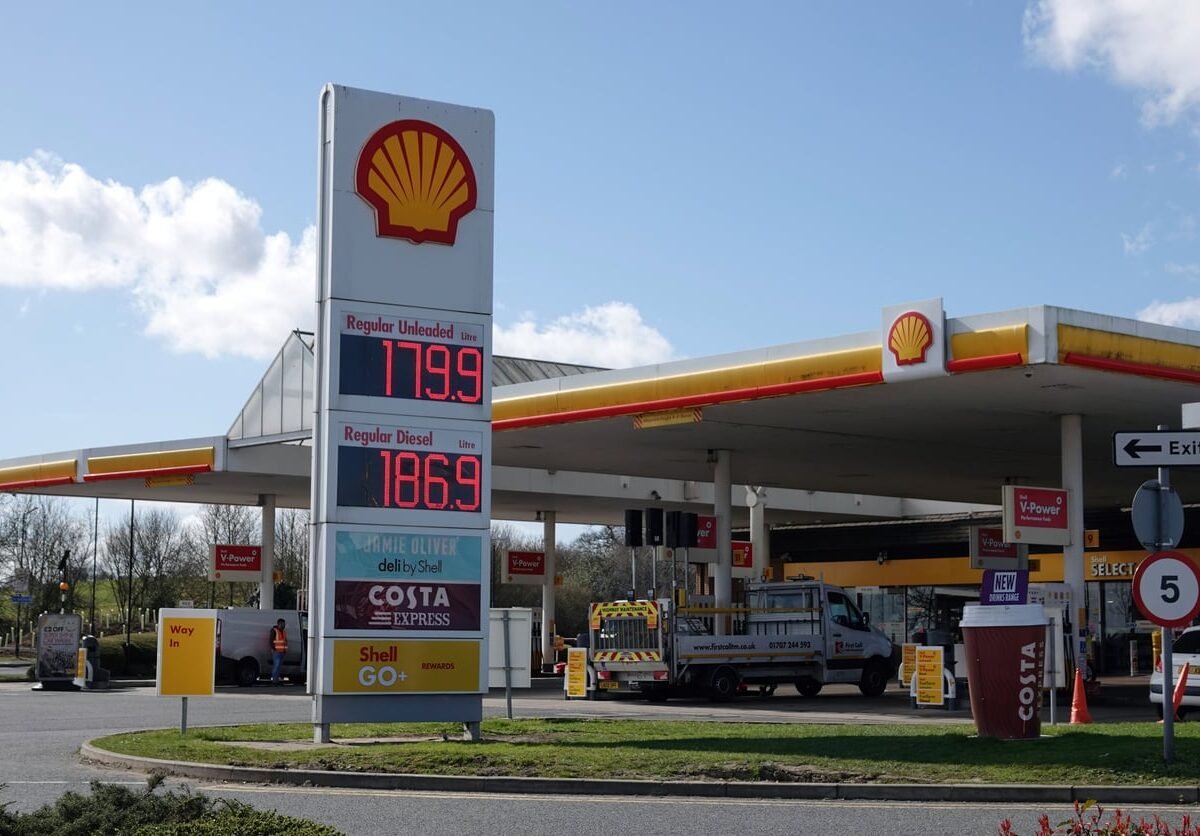
However, the inflation picture remains far from settled, with upward pressure on fuel and energy prices likely to continue, or even grow, until the conflict in the Gulf is resolved.
As a result, some economists are now warning inflation could climb back towards 4% later this year as those higher fuel and energy prices feed through into business costs in the wider economy, as well as household bills.
Policymakers remain cautious about cutting the base rate too quickly
That uncertainty is also complicating the outlook for mortgage rates, particularly as policymakers remain cautious about cutting the base rate too quickly despite signs that both the economy and the labour market are weakening.
Samuel Fuller, Director of Financial Markets Online, says: “The inflationary tidal wave many had been expecting appears to have just melted away, and with it some of the fears about looming interest rate rises.
“But the inflationary threat from the war in the Gulf hasn’t disappeared. Fuel price inflation is still running red hot.
“Nevertheless, there is sufficient upside surprise in this data for the Bank of England to hold off on any immediate increase in interest rates.
“Above all, it’s fantastic news for anyone due to remortgage.”
[ad_2]
Source link


