
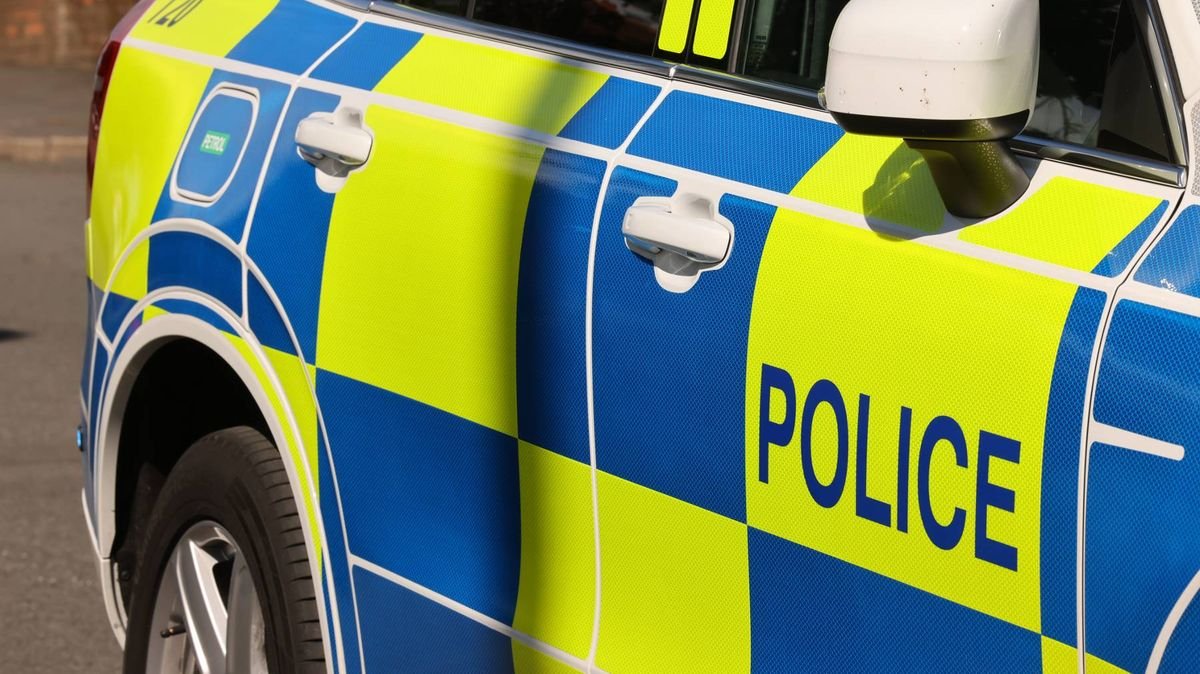
West Mercia Police issued an alert to ensure the public can ‘recognise’ the methods now being used by fraudsters

(Image: Newcastle Chronicle)
Police in the Midlands issued a warning over new methods being used by fraudsters to con victims out of their hard-earned cash.
In a weekly update, the West Mercia force said scammers would often call posing as the bank, or a police officer, in a bid to get access to two key things.
“Once they have your card and your PIN, they then have access to your money,” warned the economic crime unit.
READ MORE: Solihull couple who answered phonecall from ‘TSB bank’ say ‘now we feel stupid’
Courier fraud continues to be a common method used by criminals to defraud members of the public, they said.
“For that reason, we need to ensure that the public remain alert and can recognise this method frequently used to defraud unsuspecting victims.
“Courier fraud occurs when a fraudster contacts victims by telephone usually claiming to be a police officer, bank official or other law enforcement official.
“The caller may also be able to confirm some easily obtainable basic details about the victim such as their full name and address. The caller will try and build up trust with the potential victim before proceeding.
” Their aim is to get the victim to reveal their PIN, credit or debit card and /or bank details, and more than often will target the elderly as potential victims.”
They operate by claiming to be from the bank or posing as a police officer. Often they will tell them a fraudulent payment on the account needs dealing with.
Sometimes they inform the victim a person has been arrested using their details and cards.
“You may be asked to call the bank back to convince you the call is genuine using the number on the reverse of your card,” said the police.
“However, the scammer has still kept the line open, so you are still touch with the scammer If you do try to call your bank back, always wait at least five minutes for the line to clear or safer still, use another phone as fraudsters are now using recordings of dial tones to convince the victim the line is clear
“They will either ask you for your card PIN number or tell you to key it into the phone – you should never be asked for your PIN or pass it over on the phone.
“The caller then tells you they will send a courier to pick up your card – they may often provide a “password” to give to the courier to make it sound even more genuine.”
Have you been affected by this? We would like to hear from you. You can contact us by emailing stephanie.balloo@reachplc.com


