
Derby County will be faced with new rules next season that could help their chances of reaching the Premier League

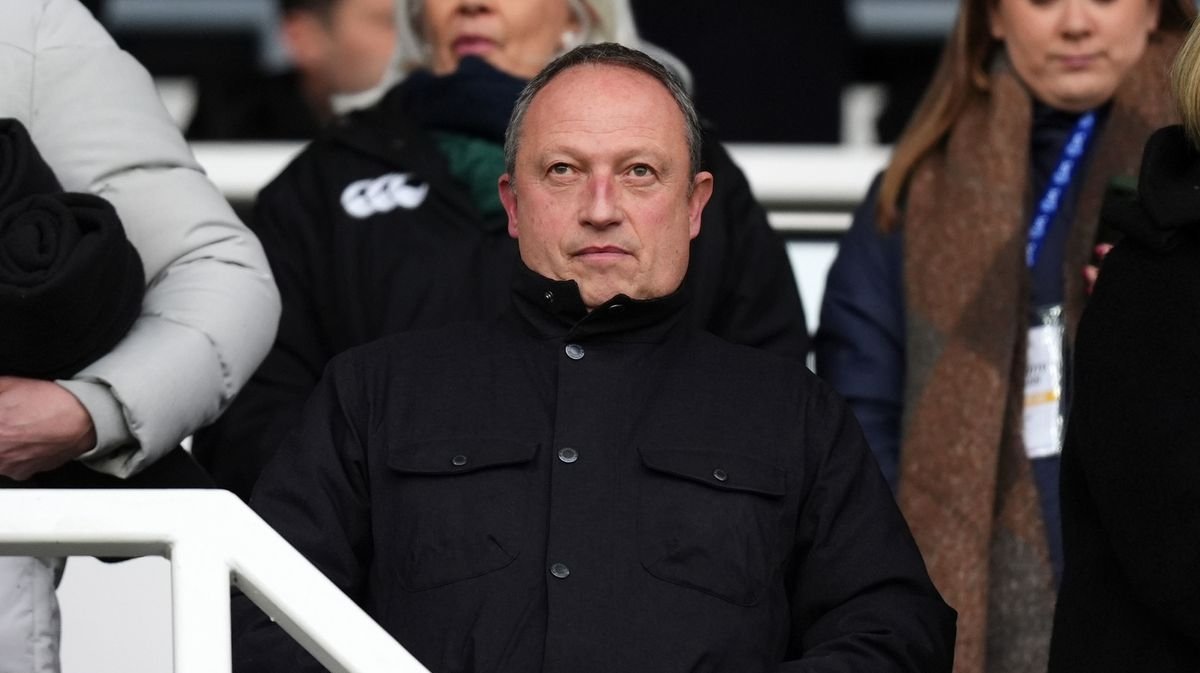
Derby County owner David Clowes in the stands for an FA Cup tie against Leeds United.(Image: Mike Egerton/PA Wire)
Derby County will be subject to new financial rules in the Championship from next season as profit and sustainability was replaced by squad cost ratio regulations.
At an EFL meeting yesterday, proposals were passed to introduce SCR next term to align with the Premier League with 20 of the 24 clubs voting in favour.
Under the new guidelines, clubs will be limited to spending 85 per cent of their income on squad spending and a non-negotiable points deduction will be triggered for those who break the rules.
The reform means that transfer budgets will be tied directly to revenue while Derby’s David Clowes and fellow owners of Championship clubs will be subject to a strict £10 million annual limit on owner equity injections.
Previously, the PSR system capped club losses at £39m over a rolling three-year period. But Championship clubs argued that an SCR system would give them greater freedom to compete for a place in the Premier League.
A statement for the EFL read: “Championship clubs have approved a new Squad Cost Rules (SCR) financial framework that will replace the current Profitability and Sustainability (P&S) rules from Season 2026/27.
“During the course of the 2025/26 season, Championship clubs have been operating an SCR system in shadow, alongside the P&S Rules, to allow clubs to assess the proposed rule changes and provide the League with further information to enable wider consultation with stakeholders.
“The SCR system limits clubs spending on player and manager-related costs (including transfer fees) to a set percentage of their income, alongside a limited level of owner funding.
“From the 2026/27 season the SCR allowance for clubs will be set at 85 per cent of income, with a flexible equity top-up allowance of £33m over a three-year period (up to a maximum of £15m a season).
“The new framework allows for real-time monitoring during the season, rather than reviewing ‘after the event’, with the aim of giving clubs greater clarity and the club financial reporting unit earlier visibility over clubs’ financial position.
“The framework also includes safeguards around commercial deals linked to owners or associated parties. The changes are intended to create a simpler and more responsive system of cost control within the Championship.
“A version of the SCR framework is also to be introduced in the Premier League for the 2026/27 season, bringing closer alignment between the divisions.”
The move comes as the Salary Cost Management Protocol was also amended in League One after clubs voted in favour of amendments aimed at helping sustainability.
The changes will reduce the percentage teams are allowed to spend on wages based on their turnover. Clubs relegated from the Championship will now only be allowed to spend 65 per cent of their turnover when it was previously 75 per cent.
For teams already in the third tier, a 60 per cent salary spend on turnover has now been cut to 50 with the new rules coming into force from next season.
The EFL confirmed in a statement: “As part of the amendments to SCMP, the percentage of turnover that clubs in League One will be able to spend on wages has been reduced from 60 per cent to 50 cent, with manager costs to now also be included within the SCMP Calculation.
“Clubs relegated from the Championship will be permitted to spend 65 per cent of Turnover on wages during their first season in League One, reduced from 75 per cent under the current rules.
“League One Clubs also approved a change to remove the staggered approach to equity injections in the division, meaning that all equity injections will be included within the calculation at 50 per cent.
“As an example, this means that if an owner invests £500k into the club, a maximum of £250k (in addition to that already permitted as a percentage of turnover) can be spent on wages.
“This approach is intended to encourage investment into other areas of club operations, such as infrastructure and youth development.
“The new rules further strengthen financial control and are another important step towards helping clubs to operate on a more sustainable basis.
“In League Two, a proposed change which would have seen the division mirror the League One approach to equity injections did not carry.”


