
Nallasivam, an avid stock market investor is thrilled about the birth of a new Samvat. He strongly believes in starting the investing journey early, being consistent with investments and in long-term compounding – because that’s how he has built his wealth over the years.
His son Anbarasu has recently landed his maiden job but feels too inhibited by the complexities of the stock market to invest. With Samvat 2082 round the corner, Nallasivam believes this to be the right time to convince Anbu to begin his stock market journey. A conversation ensues…
Nallasivam: Happy Samvat 2082, Anbu! You know what makes this Diwali extra special for me?
Anbarasu: What, dad?
Nallasivam: Now that you’ve got a job and earning well, I can pass on something more valuable than money – taking to stock markets for long-term wealth creation and making it a habit. Do you remember that trading account the bank opened with your savings account?
Anbarasu: Oh, that one? I’ve never used it, honestly. To be frank, all these stock market jargon overwhelms me.
Nallasivam: Exactly why we’re talking today! Listen, there’s an old tradition among investors – whichever venture you begin on the first day of a new Samvat tends to flourish. It’s not just superstition; it’s about marking an auspicious beginning with intent and discipline.
Anbarasu: You really believe that dad? And what is this Samvat thing, by the way?
Nallasivam: We are in 2025 and that’s going by the Gregorian calendar. There’s another calendar called Vikram Samvat, established by King Vikramaditya in 57 BCE. It uses both lunar and solar cycles to keep track of time. You add 57 to 2025, you get the new Samvat 2082.
Anbarasu: And this tends to coincide with Diwali?
Nallasivam: Yes and no. Technically, a new Samvat begins in spring, usually around March to April. But business circles believe the auspicious occasion of Diwali to kick off a new Samvat – like how we have a financial year different from the calendar year.
Anbarasu: Do you really believe in this stuff, dad?
Nallasivam: I do. I made my first investment in Samvat 2060, during Muhurat trading. That token investment in HDFC Bank? It’s grown 70 times over. But more importantly, it taught me patience and faith in long-term compounding. What began with a token investment became a habit and explains what we have today.
Anbarasu: Muhurat trading? What’s that?
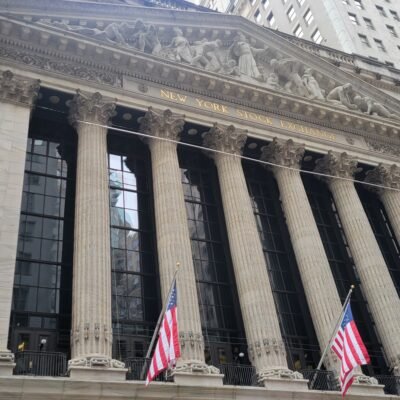
Nallasivam: On Diwali, the stock exchanges open just for a special one-hour session. It’s symbolic, marking the new financial year according to the Vikram Samvat calendar. People make token investments, believing they’ll bring prosperity throughout the year.
Anbarasu: So, it’s just for an hour? And people actually trade?
Nallasivam: They do! Not for quick profits, but as a ritual of beginning something meaningful.
This time, Muhurat trading will be between 1:45 pm and 2:45 pm on October 21. Think of it as your financial Muhurat – your auspicious start. You don’t need lakhs of rupees. Start with whatever feels comfortable and make sure you learn along the way. I’m here for you anyway.
Anbarasu: But dad, what would I even buy? I don’t know anything about stocks.
Nallasivam: That’s the beauty of starting small – you learn without risking much. Let me suggest something simple. You do believe our economy will prosper, right? Why don’t you buy Nifty ETFs? Nifty largely tracks our economy’s growth, and such ETFs track the returns of Nifty.
Anbarasu: That makes sense, dad. But what if the market falls?
Nallasivam: Then you’ll learn the most important lesson early – markets go up and down, but good investments compound in the long run.
Anbarasu: Hmm… I think you’ve convinced me. Let me go find the password to that account.
Nallasivam: Sure, son. But before that, I’m going to check out those delicious sweets your mom has made. Care to join?
Anbarasu: Oh yeah, let’s do that!
Published on October 18, 2025