
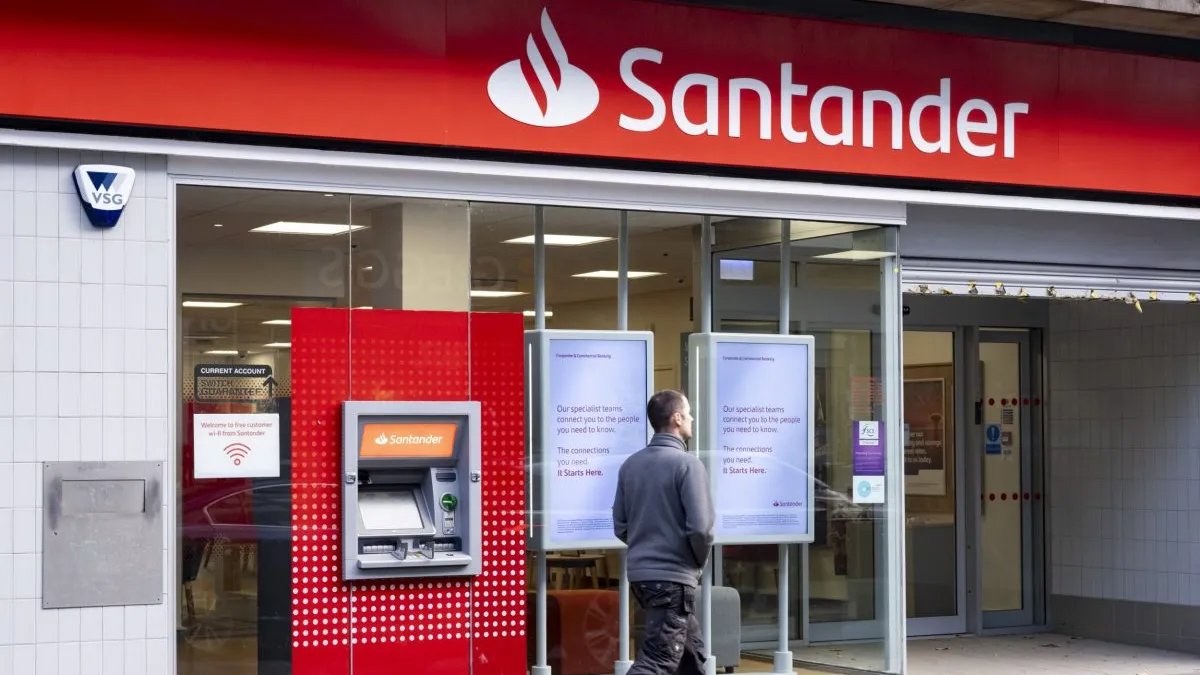
The new product allows first-time buyers to borrow up to 98 per cent of the house value on a five-year fixed rate
Santander has upped the ante in the battle to attract first-time buyers with a new mortgage that requires just a 2 per cent deposit.
The new product, called “My First Mortgage”, is exclusively for first-time buyers and allows them to borrow up to 98 per cent of the house value on a five-year fixed rate of 5.19 per cent – with no product fees and £250 cashback.
Santander said the product is designed to help first-time buyers get on the housing ladder, after its own research found that 52 per cent of adults said saving for a deposit was the biggest barrier to buying a home.
The new product requires a minimum £10,000 deposit, with maximum lending up to £500,000, and it must be repaid over a term of between 5 and 40 years.
However, lending between 95 per cent and 98 per cent loan-to-value (LTV) is only available on “existing houses” – meaning no flats or new-build homes. Anyone buying one of these properties can borrow up to 95 per cent of the house value.
Your LTV is what percentage of the property value you borrow as mortgage versus the amount you own as equity. For example, a 95 per cent LTV will mean you have a five per cent deposit or equity.
David Morris, head of homes for Santander UK, told The i Paper: “We’ve been thinking about how we can solve this central problem in the housing market, which is that it’s incredibly difficult for first-time buyers to get on the ladder.
He added: “There are of course risks, and a huge amount of the work we’ve done is think about how to manage those risks.
“One of the most obvious risks is negative equity. If you take 98 per cent mortgage out and then house prices dip, you might find you’re losing money.
“That’s why we’ve made the mortgage five-year fixed term, as that allows people to pay off a chunk, they should have been able to ride out market volatility, and they should have seen house prices rise slightly.
“We’re also only lending to people we really think will be able to repay this, and we’ve been selective on the type of property we’ll lend to to help avoid the negative equity issue.”
Morris said that while the interest rate may look high compared to the average on the market, it is competitive compared to other products offering 95 per cent LTV.
Lenders tend to charge slightly higher rates on higher LTV mortgages because they are taking on more risk, as they will lose more of their money if the property value falls or the borrower defaults on their loan.
Morris said: “We think the rate is very competitive compared to other products offering above 95 per cent LTV – we’re about 50 basis points lower than some of the alternatives in the market.
“Swap rates are also up a bit, so the rate probably looks quite high relative to where the market is because they’re priced based on two weeks ago, when swap rates were lower.
“You may find over the next few weeks, some lenders will be increasing their rates while we’ll be holding ours. It will look more and more competitive over the next couple of weeks.”
Fixed mortgage rates tend to follow swap rates, which are loosely based on where traders think the Bank of England interest rate will go in the future.
Morris added that Santander is planning to offer “a suite of products” for first-time buyers over the course of this year, including joining other lenders in letting some applicants borrow up to six times their income.
Other first-time buyer products on offer
The majority of lenders now offer mortgages up to 95 per cent LTV, but there are some products that go higher than this or offer extra perks to help first-time buyers onto the property ladder.
100 per cent ‘track record’ mortgage
Skipton Building Society offers up to 100 per cent LTV on its “track record” mortgage, which tracks renters’ payment record to work out what they may be able to afford to borrow, and then offers up to the entire amount.
In exchange, you agree a five-year fixed interest rate. This will likely be higher than a typical five-year interest rate to reflect the increased risk taken by the bank, but it’s a great way for first-time buyers to get on the ladder without a lump sum.
Deposit unlock schemes
Some housebuilders offer a scheme called “Deposit Unlock”, which allows buyers to purchase a new-build home with a 5 per cent deposit.
Many lenders will not lend high LTVs on new-build homes because they consider them to be more at risk of losing value than existing properties.
Homebuilders contribute to a fund which they use to provide insurance to lenders, protecting them against potential losses if one of their borrowers can’t pay the mortgage.
You can typically borrow up to £750,000 through Deposit Unlock, according to Barratt Homes, which is part of the scheme.
Guarantor mortgages
Some lenders will allow customers to take out a mortgage with a guarantor – someone who legally commits to paying the mortgage if the customer can’t afford it themselves.
This may be a relative or someone else who has a long-term relationship with the borrower. Guarantor mortgages are only available for mortgages with an LTV of up to 85 per cent.
These products can help people who may not have a stable income to get on the housing ladder, as the lender is taking less risk because they have extra security that the repayments will be met.
Part-interest mortgage
Lender Gen H offers a part capital repayment and part interest-only mortgage that can be accessed by first-time buyers with small deposits.
The product allows borrowers to take up to 80 per cent of their borrowing on an interest-only basis – meaning smaller monthly repayments – with the remainder working as a normal repayment mortgage.
The aim is to help people with unstable incomes to get a mortgage, as the lender is taking less risk by having another person liable for the repayments. You can borrow up to 95 per cent LTV through Gen H’s part and part mortgage.