Nearly 1.3 million mortgages — including more than 500,000 originated in 2025 — carry rates between 6.875% and 6.99%, the most sensitive group to recent rate declines. ICE cited data from the Mortgage Bankers Association, which found that refinance activity hit a 17-week high in the week ending Jan. 16, with refinances making up 62% of all applications. ICE estimates about two-thirds of these originations were rate-and-term refis.
But the lock-in effect remains rigid. At the start of 2025, 39.4 million homeowners had mortgages below 5%, including 12.6 million with rates below 3%. At the end of 2025, those numbers were 37.2 million (-6%) and 12.1 million (-5%), which means that about 95% of low-rate borrowers continued to hold onto their existing mortgages.
“Even small reductions toward 6% rates can significantly boost affordability, particularly for homeowners who could refinance into a lower rate and monthly payments,” Andy Walden, head of mortgage and housing market research at ICE, said in a statement.
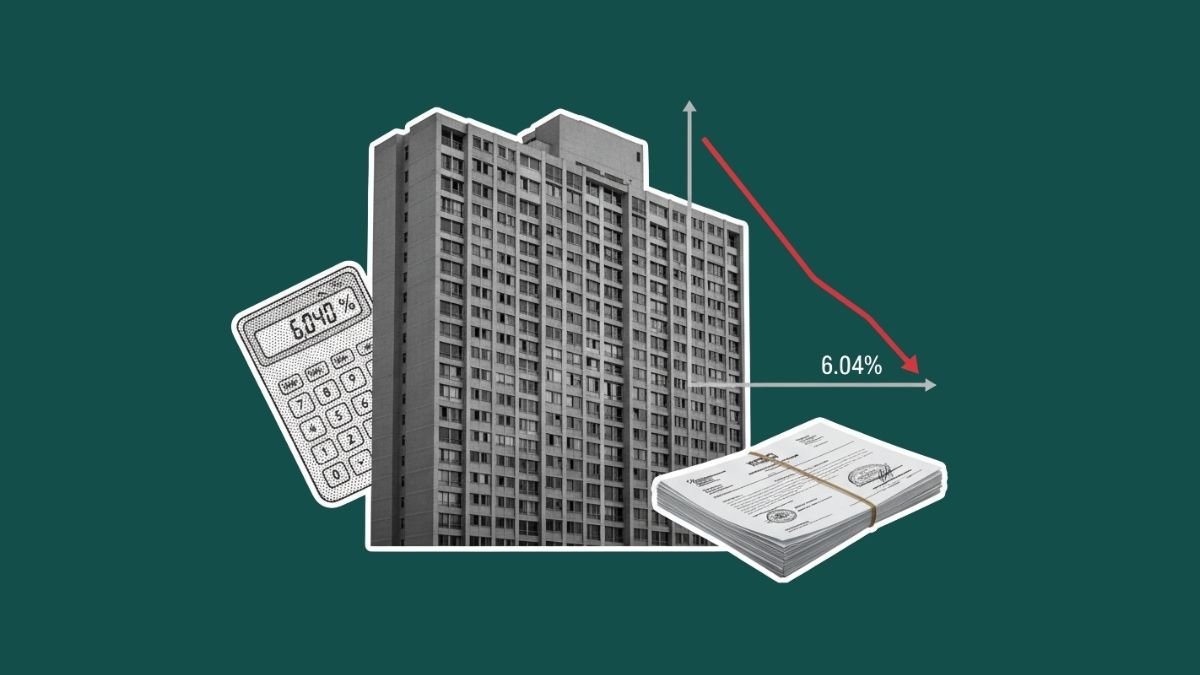
“When rates hit 6.04% on January 9, the number of homeowners in the money to refinance jumped by 20% and affordability hit its best level in four years. That said, affordability remains structurally challenged, with home prices still elevated relative to incomes and meaningful differences emerging across regions and borrower segments.”
“Today’s market is full of cross‑currents — borrowers responding quickly to rate shifts, affordability improving for some but not others, and pockets of rising credit stress,” said Bob Hart, president of ICE Mortgage Technology. “Our end-to-end mortgage platform helps servicers and lenders make sense of those moving parts and act on opportunity.”
Mortgage performance
Affordability improved in early January as the monthly principal-and-interest payment needed to buy the average-priced home fell $164 year over year to $2,091, reducing the share of median household income required to buy to 27.8%.
Still, the national home-price-to-income ratio remains around 4.8 to 1, above the long-term average of roughly 4 to 1.
More than 1.1 million borrowers ended 2025 underwater, the highest level recorded since early 2018. The negative equity was heavily concentrated among Federal Housing Administration (FHA) and U.S. Department of Veterans Affairs (VA) loans originated in 2022 or later, ICE said.
On a regional basis, several Southern markets now have more than 10% of mortgaged homes underwater, although national equity levels remain historically strong.
ICE reported that the national delinquency rate dipped 16 basis points (bps) in December, landing at 3.68%. Early-stage delinquencies improved, but 90-day-plus delinquencies rose by 30,000 and are now at their highest point in almost three years — 19,ooo more that at this time last year.
U.S. home prices rose just 0.6% in 2025, the smallest annual increase since 2011. The Northeast and Midwest showed relative stability, while declines in the South and West weighed on national averages.