
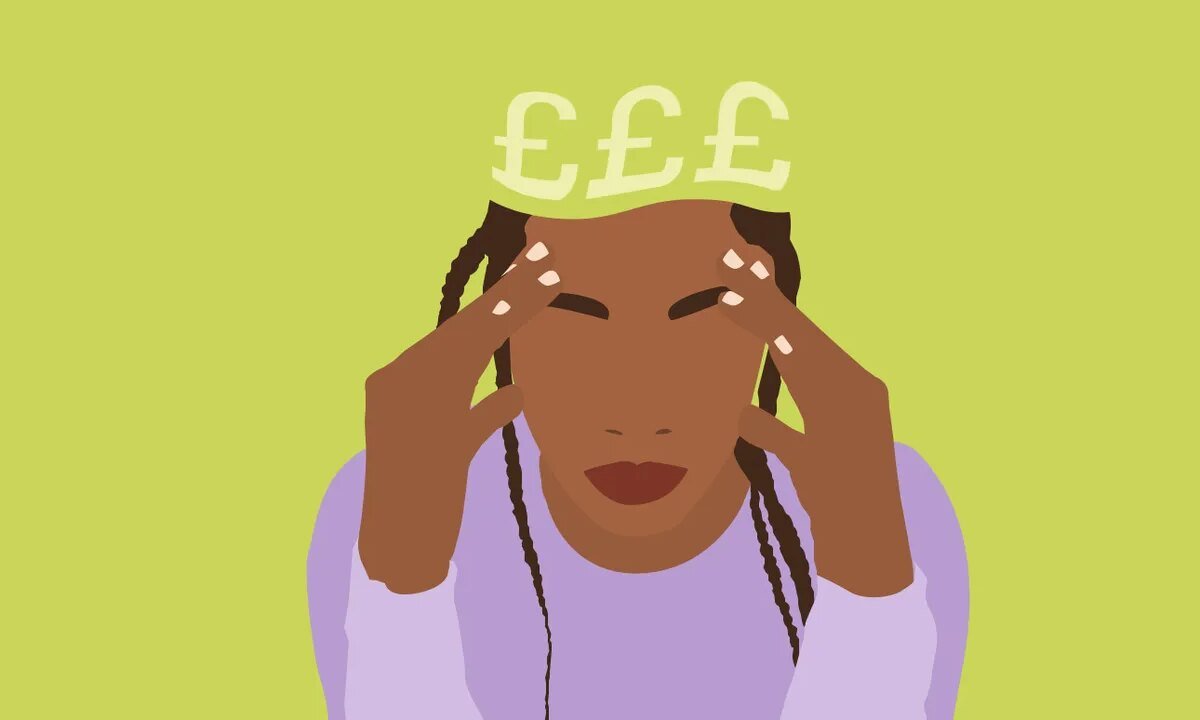
With most things in life, if we are trying to achieve or change something, we often have ensure we are mentally ‘there.’ Our mindset can drastically shape a lot of things – whether we think we are good enough for a pay rise or that new job, do we really believe in ourselves enough to make it happen? In fact, our mindset can have a huge influence over our finances too and the ways in which we think about money.
Lesley Thomas, Financial Mindset Strategist and founder of The Money Confidence Academy, explains how talking more about money can help us all become better at money management and help tackle emotional issues surrounding our attitudes, from dealing with debt to saving woes. Here, she explains what having a ‘Money Mindset’ really means and how it can help you.
What is a ‘Money Mindset’?
’Money Mindset’ refers to a person’s beliefs, attitudes, and thoughts about money. It encompasses how a person thinks about and relates to money, wealth, and financial success. A person’s money mindset can have a significant impact on their financial decisions, behaviours and the results they see, or don’t see.
Our Money Mindset usually forms between the ages of 0 and 7, usually as a result of our parents, or main caregiver’s relationship with money. As small children we soak up information like a sponge and this include what our parents say and don’t say about money, and about people who have, and don’t have money. This all forms the basis of our Money Mindset, which gets further layered on a we grow older and all the experiences we have as children and then as adults.
The key element to be aware of is our Money Mindset, is directly linked to our sense of self-value, self-worth and self-confidence. Some people tie their self-esteem to their financial success, leading to a fear of failure or a drive to constantly achieve more. Others may believe that money doesn’t define their worth as a person.
Money mindset also affects how people view and handle debt. Some may see debt as a necessary tool for achieving their goals, while others may view it as a burden to be avoided at all costs.
Money mindset influences the types of financial goals individuals set for themselves. Some may prioritise saving and investing for the future, while others may focus on immediate gratification in the here and now.
People with different money mindsets may have varying levels of risk tolerance. Those with a more conservative mindset may be risk-averse and prefer safe, low-return investments, while those with a more adventurous mindset may be willing to take on higher risks for potentially higher rewards.
Money mindset can also be shaped by a person’s level of financial education and exposure to financial theories and ideas. Those with a growth mindset may be more open to learning about finances and improving their financial literacy.
How can we change our ‘Money Mindset’ to help us better handle our finances?
There are a number of keys ways to help you change and alter your money mindset, from identifying negative triggers to positive affirmation, here are my top 10 ways to help create a better attitude towards money.
- Awareness. This is the key to making changes in your Money Mindset, becoming aware that your current relationship with money is not serving you. Start by examining your current beliefs and attitudes about money. Reflect on how these beliefs may have been shaped by your upbringing, culture, and past experiences. Identify any negative or limiting beliefs you may hold.
- Challenge negative or limiting beliefs. Ask yourself if these beliefs are rational and based on facts or if they are simply assumptions. For example, if you believe that you’ll never be able to save money, ask yourself why you hold that belief and whether it’s possible to change your saving habits.
- Replace negative beliefs with positive mantras or affirmations. For example, if you tend to believe that you’re not good with money, create an affirmation like, “I am capable of managing my finances effectively.” Repeat these affirmations regularly to reinforce positive beliefs.
- Invest time in learning about personal finance. This can include reading books, listening to podcasts, or seeking advice from financial experts. The more you understand how money works, the more confident and empowered you will feel in managing your finances.
- Surround yourself with people who have a positive money mindset. Start having conversations about money with friends or mentors who have a healthy attitude toward finances. Their perspectives and behaviours can positively influence your own and help you to see how useful a tool money really is.
- Define your financial goals and create a plan to achieve them. Having clear objectives can motivate you to develop better financial habits and make more informed decisions. Having goals is the best way to help keep those healthy habits that you have started around money and to stick to them.
- Create a budget and regularly track your expenses. Check your bank account daily. This can help you gain control over your financial situation and adjust as needed. Whilst this may feel uncomfortable to begin with, quickly you will start to see the benefits of being proactive with your finances and in turn this will create feelings of empowerment.
- Be grateful. Cultivate an attitude of gratitude for what you have, rather than constantly focusing on what you don’t have. Gratitude can shift your perspective and reduce feelings of financial scarcity.
- Seek expert help. If you have deeply ingrained money mindset issues or find it challenging to change your behaviour by yourself, consider working with a Money Coach who specialises in money-related issues. They can help you uncover underlying beliefs and develop strategies to change them
- Act. Ultimately, tweaking your money mindset requires acting. Start by making small changes in your financial habits and gradually build on them. Celebrate your successes along the way to reinforce positive behaviours.
What can we do right now to break bad money habits?
Journal your thoughts around money
I always advise my clients to set aside time to write about your thoughts and feelings regarding money.