
A regular charity shop supporter has highlighted a key issue that is impacting charity shop sales.

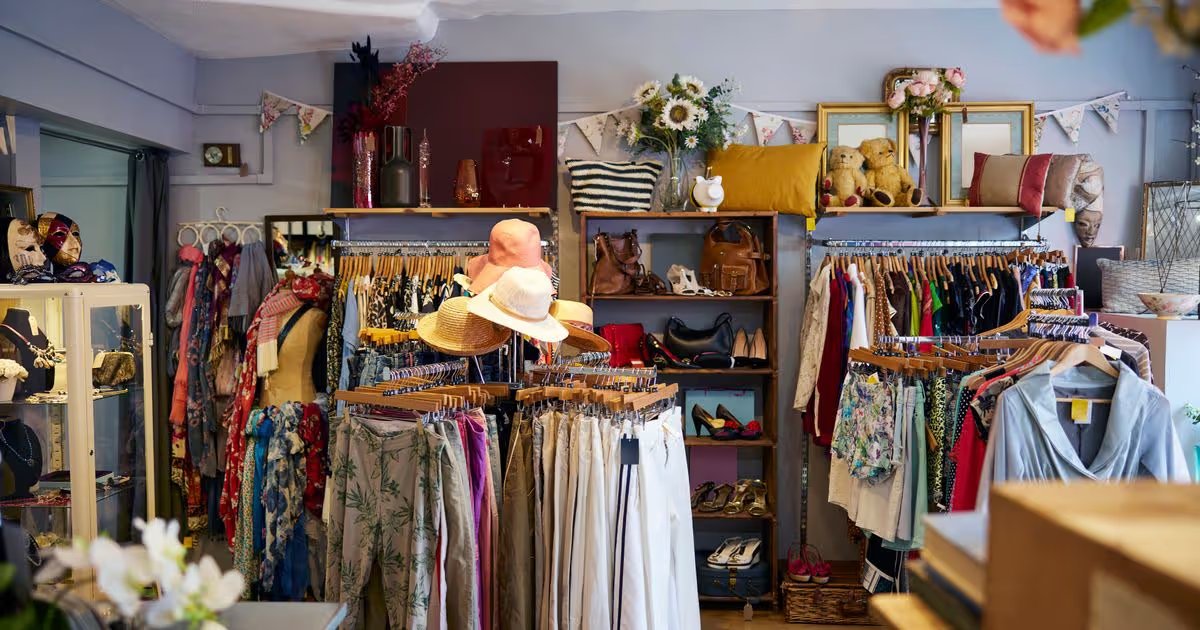
A charity shop enthusiast has shared the key issue that is stopping charities from making money.(Image: Getty Images)
While some people have their favourite stores and brands that they regularly visit while shopping on the highstreet, a frequent stop for many is a charity shop. Laden with hidden gems and quality products that are priced lower than the retailer tag, many people enjoy browsing the racks while giving a bit of money to charity.
However, some people have admitted that they have recently started avoiding their local charity shops. This sad confession is mainly down to seeing prices escalate each time they visit the discounted stores.
While many of us are used to seeing prices rise in supermarkets and across regular fashion brands, quite a few of us are put off when we see it happening in charity shops as they are usually earmarked by shoppers for their reduced prices. If you enter a charity shop and see an item that is only slightly lower than it would be elsewhere, you are unlikely to pick it up.
This costly error seems to happening in an array of charity stores, leaving many shoppers confused as to why they would want to limit their income. A charity shop enthusiast has taken to social media to shed some light on the situation, reports Manchester Evening News.
Known as Hello Wednesday on TikTok, the social media user regularly shows off what outfits she has managed to thrift from local charity shops. In a recent video, she sparked a debate amongst her followers as she shared advice on how charity shops could up their sales.
In her video, Wednesday said: “I was in this shop here, and I overheard the manager saying that she priced things just high enough to keep the resellers out, and there was a whole conversation about how awful resellers are.
“I said to her ‘it’s completely different where I live’. She asked ‘why?’, and I explained that there are some shops I know of that make arrangements with resellers to take things, because resellers spend extraordinary amounts of money in charity shops.”
She continued: “Where they might struggle to get customers, resellers are coming in and consistently spending hundreds of pounds a week and, given their prices, they may struggle to move stock.
“But it may be that if they put their prices down a little bit, or even made them feel a bit more welcome in the shop, that they would be clearing that stock and bringing money back into the hospice.”
Revealing that after speaking to the manager it was clear she had never thought about this route before, Wednesday asked her followers what they think on the issue.
Providing a further explanation in the caption, the TikTok user wrote: “Charity shops exist to raise as much money as possible for their cause. There are different strategies to do that but the goal is simple – to use donated stock to bring in as much profit for the charity to use as possible.
“Unsold donations take up space that prevents new donations being accepted. Sold stock is converted to revenue, and each shop is limited to the footfall of people that actually come into that specific shop looking to buy items.
“I think resellers are probably the most consistent buyers week in week out, and proactively trying to keep them is simply reducing the shops revenue (from ordinary buyers and resellers alike), but what’s your view on resellers in the charity shop economy?”
At the time of writing, the video has clocked up over 169,100 views in just four days, with hundreds of followers flooding the comments section with their own opinions.
Get more Daily Record exclusives by signing up for free to Google’s preferred sources. Click HERE
One owner commented: “I manage a charity shop and I couldn’t care less if you’re a reseller or not. I keep my prices low anyway and, as long as I get the price I’m asking, who cares? Charity shops are closing down because they are too greedy with their prices.”
With another person adding: “Personally, if someone has the energy to find the item, buy it, take it home, wash it, style it, photo it, advertise it, sell it, package it, post it etc etc etc, then good on them. We need more reusing and recycling things.”
Meanwhile a third user wasn’t pleased with the idea of resellers, writing: “No, it’s unfair for buyers who can only buy clothes from charity shops! At the end of the day, resellers are greedy.”
On the flip side, another user defended themselves: “Literally went into my local charity shops yesterday and overheard a store employee say ‘oh here’s another reseller’. I had the same conversation with that person. I don’t understand why it matters if we’re reselling.”
While resellers can be an issue for some charity shops, price hikes can also be down to a variety of issues such as increasing overheads on rent and staffing. However, this switch in some stores has left shoppers feeling like they have stepped away from their original mission of raising money for charity.