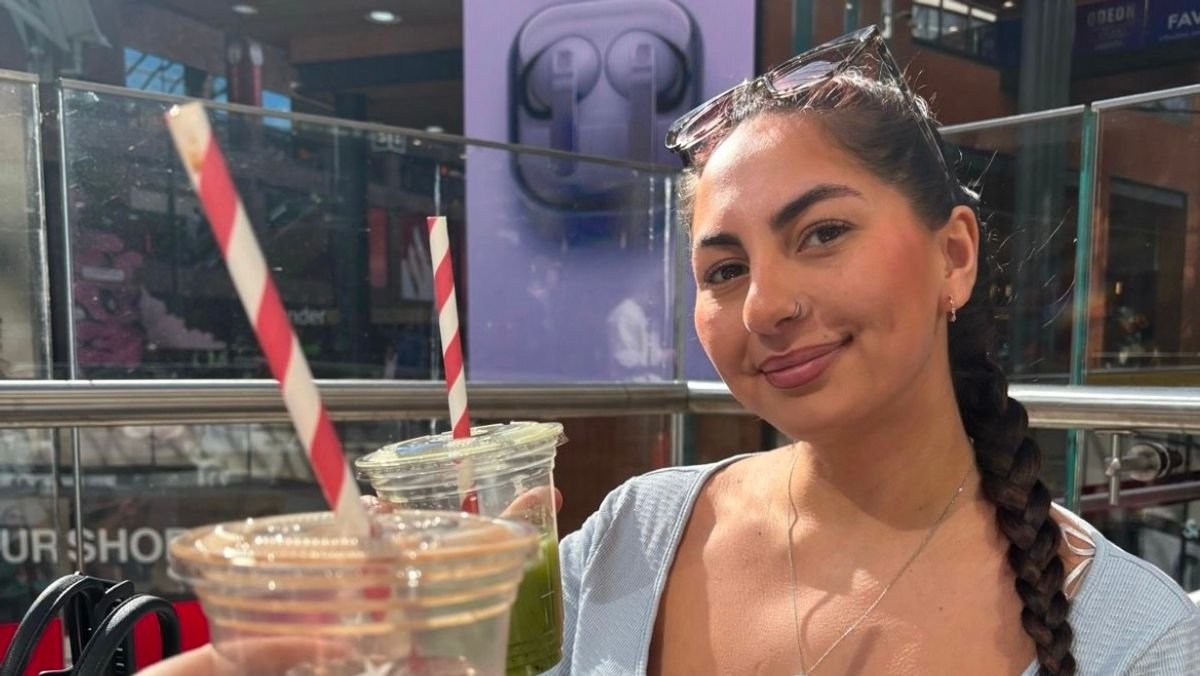
Falling into a trap of spending money she didn’t have, Chloe Pereira told The Mirror how her habits spiralled out of control and left her in £20,000 worth of debt

Chloe said she was spending everything she had earned
When Chloe Pereira was offered an overdraft aged 18, she felt a newfound sense of freedom. Having secured a full time job and enjoying a blossoming social life, she never imagined how seriously her spending habits wound haunt her adult years.
Now 26, the admin assistant from Bristol is finally clawing her way back to financial health after spiralling into around £20,000 debt during her early twenties.
“I first got into debt as soon as I had the chance when I was 18,” Chloe told the Daily Mirror. “I was offered an overdraft pretty much straight away and I just thought it was free money. I had really bad spending habits and no real understanding of finances. I was working and earning, but I was also spending everything I got.”
What started “quite innocently” with purchases of clothes, trainers, and gifts, soon became a relentless cycle of borrowing. Chloe admits that “saying yes to everything” opened a door that was hard to close.
READ MORE: Income alert as ‘plan 2’ could ‘trap’ you into paying back £136,000
Sadly, Chloe’s story is a reflection of a national crisis. Approximately 13 million people in the UK now live in their overdraft to manage everyday costs – with many using it persistentl, according to debt charity Stepchange. With the cost-of-living at an all time high in 2026, studies show one in five UK adults are overdrawn on a monthly basis.
“At my worst, I was close to £20,000 in debt, which is mad to think about now,” Chloe says. “I started by upping my overdraft whenever I could until it hit £1,500. Then came the ‘Buy Now, Pay Later’ (BNPL) schemes.”
“At my worst I was close to £20,000 in debt, which is honestly mad to think about now,” Chloe says. “I upped my overdraft whenever I could until it went up to about £1500.
“Last year I was in around £20,000. I didn’t speak to anyone about it but some of my friends knew I was in debt, just not how much.”
Then came the ‘Buy Now, Pay Later’ (BNPL) schemes, with Klarna acting like a “gateway into debt” for Chloe.
While marketed as interest-free alternatives to credit cards, for those with spending addictions, they can become a trap. Current reports indicate a 300% increase in debt owed to BNPL firms, with roughly 10% of users in arrears.
She said: “I’ve gained some really bad habits from using Klarna and really struggled with shifting them. It can definitely be used for good and BNPLs can help people who really need it however, people with spending addictions like me get stuck using it.”
Over 400,000 people sought debt help from Citizens Advice in 2025, a 45% increase from 2021. Rising costs have left millions struggling, with one in three (35%) people finding that their debt leaves them unable to afford essential food and 20% having their energy supplies cut, according to the Money Advice Trust.
On a salary of just over £32,000, Chloe’s monthly take home pay is roughly £2,000. She’s now dedicated £1,000 – half her income – to repayments. By sharing a house with her mum and renting out rooms, she’s cut her living costs to £250, leaving her with a “minimal amount” for everything else
Confessing, Chloe said her friend begged her to get help from debt charity Stepchange.
She said: “It was the best decision I have ever made and I will forever be grateful to her for helping me admit I needed help. It puts everything into one place and makes it feel a bit more manageable as well as freezing interest on most of my lending accounts. But I won’t pretend I’ve got it all figured out, I still struggle a lot.”
Chloe admits she still struggles to balance the books in her eagerness to lessen her debt.
She added: “I don’t really stick to a proper budget, and sometimes I actually make it worse by trying to do too much at once. I’ll put a big chunk of money towards my debt thinking I’m doing the right thing, but then I leave myself short and end up borrowing again, which just creates a cycle. It’s frustrating, but I’m learning. I think the biggest thing is that I’m actually aware of it now and actively trying to change it.”
Being honest and open about her situation has really helped. While she used to spend to keep up, she values the simple things more, but struggles when people try to help her out.
She said: “I don’t want people to pity me or treat me differently, I just want to be treated the same. But I also know it comes from a good place. They care, and they don’t want me to struggle, so I try to see it that way.
“I used to love buying things for people but I find now people offer things to me or get me gifts like vouchers etc. I do appreciate it but I just want to be treated how I was before and be able to do things for people I love too.
“I used to think I had to spend loads on gifts or say yes to everything to be a good friend, and that just isn’t true. Now I realise people value the small, meaningful things so much more.”
The mental toll has been significant, Chloe admits, but today her debt stands at £5,000. With the end finally in sight, she shares her progress on social media via @chloesdebtdiaries to help others find a way out.
She said: “Some days are a lot harder than others. There have been times where I’d get a letter from a lender and it would completely ruin my day, I’d just sit there crying because I felt so overwhelmed. That feeling of being stuck is really hard to explain unless you’ve been through it.
“Knowing there’s an end in sight is what gets me through now. Looking back, I don’t even know how I coped before. I think I just managed it by shopping more to deal with the stress, which only made everything worse.”
“The best two pieces of advice I could give to anyone who is struggling with debt is: be honest with yourself. It’s not embarrassing to be in debt. Admitting you need help is the first way you can sort it. Then secondly, contact Stepchange. They are incredible and can help you decide what you need to do. There is always a way out of debt and we are only human.”