The current situation is tricky for anyone looking a mortgage

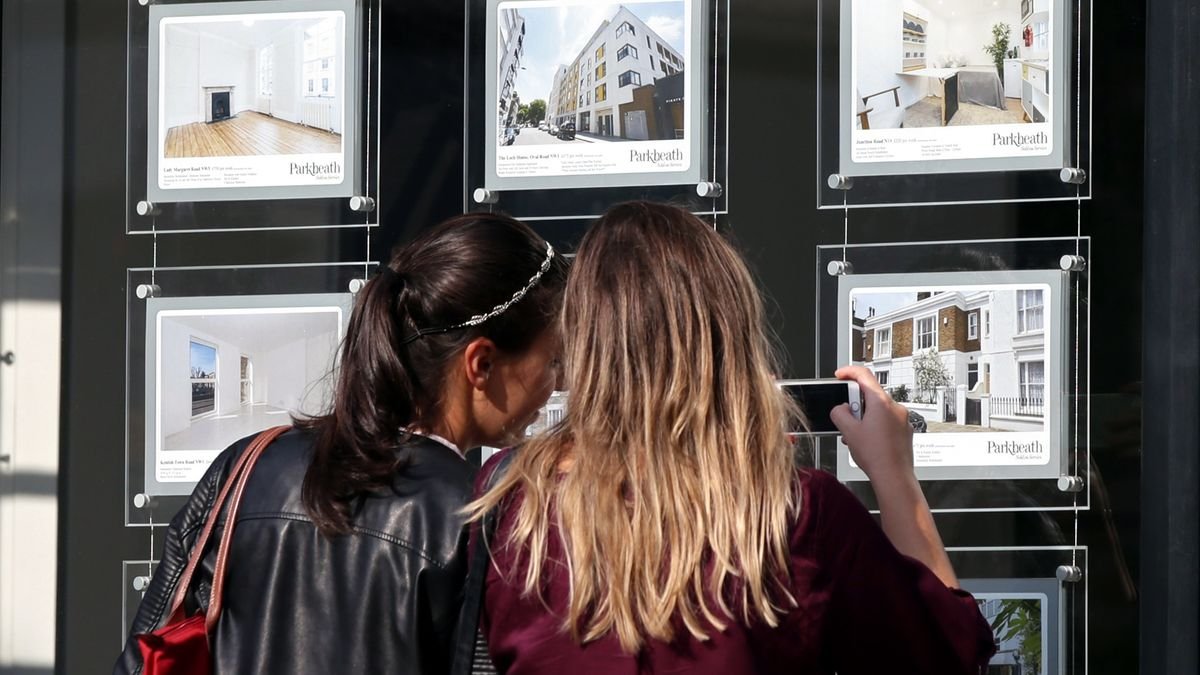
Mortgage rates have been volatile(Image: Yui Mok/PA Wire)
A mortgage expert has revealed why waiting is the wrong move for buyers right now, and they risk a “double cost” if they delay, of both property prices and mortgage rates increasing simultaneously. Many potential homebuyers have spent much of 2026 sitting on the sidelines waiting for mortgage rates to fall, according to broker Rohit Kohli.
But with inflation remaining stubbornly high and financial markets becoming increasingly volatile, he said that strategy was beginning to look increasingly risky. The mortgage market has shifted significantly since the start of the year.
Expectations that rates would steadily fall through 2026 have been disrupted by rising inflation, higher oil prices linked to the conflict involving Iran and growing political and economic uncertainty both in the UK and internationally. Many lenders have started repricing mortgage products upwards again, leaving buyers wondering whether delaying a purchase could ultimately cost them more.
Rohit Kohli, director of Romsey-based The Mortgage Stop, said one of the biggest mistakes buyers make was assuming there would eventually be a “perfect” moment to buy.
He added: “A lot of buyers delayed decisions earlier this year because they expected mortgage rates to come down significantly. The problem is that markets and economies rarely move in straight lines. The idea that buyers can wait for low rates, falling house prices and complete economic stability all at the same time is usually unrealistic.”
While the Bank of England base rate remains at 3.75%, fixed-rate mortgages are largely driven by swap rates and long-term inflation expectations rather than simply the current base rate itself. With inflation rising back to 3.3% and markets increasingly pricing in the possibility that rates could stay higher for longer, Kohli said waiting for cheaper borrowing costs may backfire.
He added: “The ‘wait for lower rates’ strategy is looking increasingly risky because fixed mortgage pricing is driven by expectations around inflation and long-term economic conditions. If inflation remains sticky and markets stay nervous, mortgage rates could rise before they fall.”
At the same time, house prices themselves have remained relatively resilient despite affordability pressures. According to Halifax, the average UK property now costs just under £300,000, with both Halifax and Nationwide expecting prices to remain broadly stable over the coming year. Mr Kohli warned that buyers who delay could face a “double cost” if both property prices and mortgage rates increase simultaneously.
He said: “Even relatively modest house price growth can mean paying thousands more for the same property a year later. When you combine that with potentially higher mortgage rates, the ‘double cost’ of waiting can become far more expensive than many buyers realise. We’ve seen clients who delayed buying earlier in the year having to find another £5,000 to £10,000 for the deposit as a result of the movements.”
Importantly, Mr Kohli stressed that affordability had improved more than many people assumed. Lending criteria have eased considerably over the past 18 months and first-time buyer activity rose strongly in 2025 despite higher borrowing costs. However, he warned buyers against overstretching themselves financially or becoming distracted by short-term headlines.
Mr Kohli added: “The right time to buy is usually when your own circumstances are stable, not when the news cycle feels comfortable. People should focus on what they can comfortably afford today, build in a financial buffer and avoid borrowing right up to their maximum.”
He also urged buyers to seek professional advice rather than relying solely on headline mortgage rates: “Mortgage deals, lender criteria and pricing are changing constantly in the current environment. Comparing the whole market matters more than ever.”