
[ad_1]

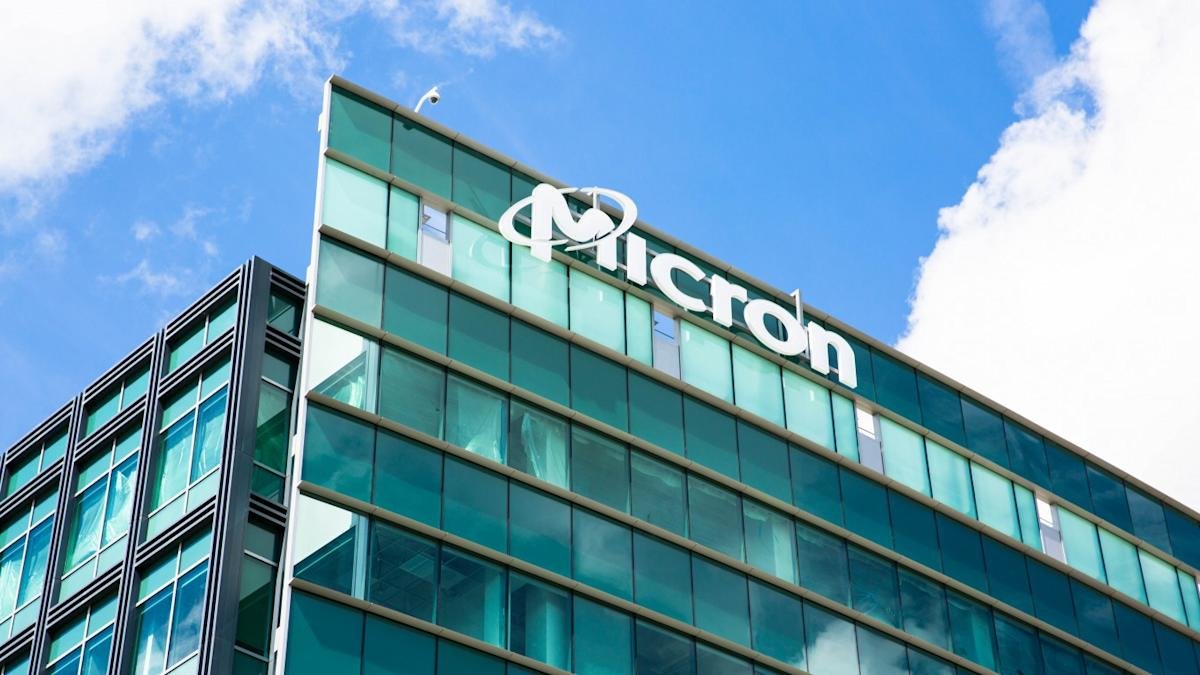
vzphotos / iStock Editorial via Getty Images
Quick Read
-
Micron Technology (MU) was not an obvious long-term compounder in April 2016, but what happened after was a fundamental transformation.
-
Holding Micron for a decade required real conviction. Looking ahead, the key question is whether the AI memory supercycle continues to deepen.
-
The analyst who called NVIDIA in 2010 just named his top 10 AI stocks. Get them here FREE.
Micron Technology (NASDAQ: MU) was not an obvious long-term compounder in April 2016. Trading at $10.45 per share, it was a deeply cyclical memory chipmaker. What happened next was a fundamental transformation.
From Commodity Chip Maker to AI Infrastructure Powerhouse
Micron spent much of the late 2010s grinding through memory oversupply cycles but quietly built manufacturing scale and product expertise in DRAM and NAND. The AI boom changed everything. As hyperscalers raced to build GPU clusters, demand for high-bandwidth memory exploded, and Micron emerged as one of only a handful of suppliers capable of delivering at scale. Crucially, it is the only U.S.-based memory manufacturer, giving it a strategic dimension that pure-play commodity rivals lacked.
The financial results reflect this shift. Full-year fiscal 2025 revenue hit $37.378 billion, up 48.85% year over year, with net income surging 997.56%. In Q1 FY2026, the Cloud Memory Business Unit alone generated $5.284 billion in revenue at a 66% gross margin. CEO Sanjay Mehrotra called it plainly: “Micron’s technology leadership, differentiated product portfolio, and strong operational execution position us as an essential AI enabler.”
READ: The analyst who called NVIDIA in 2010 just named his top 10 AI stocks
Your $1,000 Became $38,909
The numbers across all three time horizons are striking, though the 10-year figure stands apart.
|
Initial Investment |
Total Return |
Current Value |
|
|
1-Year Return |
$1,000 |
522.09% |
$6,220.90 |
|
5-Year Return |
$1,000 |
337.68% |
$4,376.80 |
|
10-Year Return |
$1,000 |
3,790.92% |
$38,909.20 |
Holding Micron for a decade required real conviction. The stock endured brutal down-cycles, including a 2022 collapse as memory prices cratered. The one-year return of 522.09% reflects how compressed and then explosively re-rated the stock became once AI demand materialized at scale. The five-year figure of 337.68% captures a full cycle. The 10-year number, nearly 39x a $1,000 stake, is the reward for patience through it all.
What Investors Are Watching Now
Looking ahead, the key question is whether the AI memory supercycle continues to deepen. Q3 FY2026 guidance calls for $33.5 billion in revenue and non-GAAP EPS of $19.15, with order books stretching into 2027. At a forward P/E of 6x and an analyst consensus target of $525.47 with 38 Buy ratings and zero Sells, the valuation case is credible.
But investors will want to avoid it if the memory cycle turns. This industry has punished investors before, and the 30-day sentiment trend has declined 18.32 points. Heavy capital spending, tariff exposure, and executive selling at elevated prices in early 2026 are worth watching. The bull case is compelling, despite real risks. For retirement investors with a multi-year horizon and tolerance for volatility, Micron’s structural positioning as an AI enabler and its order book visibility into 2027 represent the core forward-looking case to monitor.
The analyst who called NVIDIA in 2010 just named his top 10 AI stocks
Wall Street is pouring billions into AI, but most investors are buying the wrong stocks. The analyst who first identified NVIDIA as a buy back in 2010 — before its 28,000% run — has just pinpointed 10 new AI companies he believes could deliver outsized returns from here. One dominates a $100 billion equipment market. Another is solving the single biggest bottleneck holding back AI data centers. A third is a pure-play on an optical networking market set to quadruple. Most investors haven’t heard of half these names. Get the free list of all 10 stocks here.
[ad_2]
Source link