
One change begins on Thursday and another on Friday – with more predicted to follow

Rates continue to rise(Image: tupungato via Getty Images)
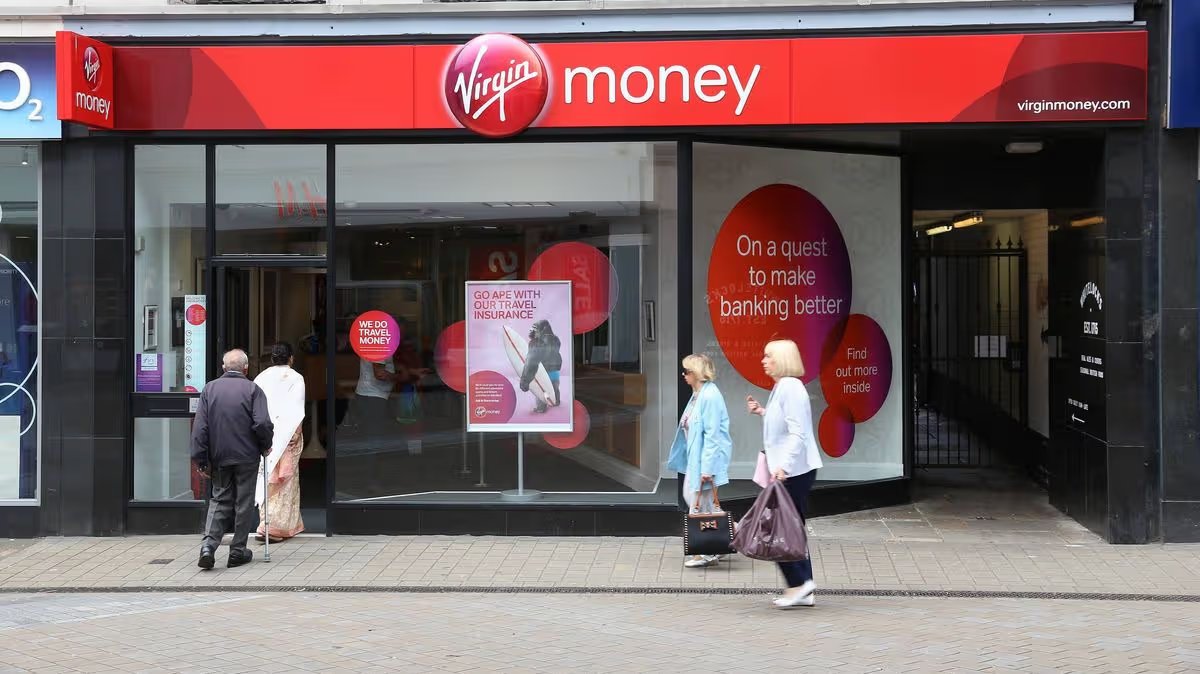
Virgin Money has increased mortgage rates by up to 0.75 per cent while Santander is hiking its rates by up to 0.53 per cent as the property market goes into freefall in a “real shock to borrowers” amid the Iran war. From Thursday, Virgin Money purchase mortgages will be increased by up to 0.70 per cent, remortgages will be increased by up to 0.65 per cent, while buy-to-let mortgages will be increased by up to 0.75 per cent.
This follows Virgin Money increasing across the board by up to 0.21 per cent two weeks ago, just a week after increasing rates by up to 0.25 per cent – this means the lender has increased rates by more than one per cent in just one month. Santander also announced that it is increasing new business and product transfer fixed rates by up to 0.53 per cent on Friday.
It comes as the war in Iran caused fears that inflation will sweep across the globe, with petrol prices in the UK already up 12p per litre to over 144p per litre since the start of the war. Iran rejected a US peace plan as “excessive” and issued five conditions to end the war, an Iranian official told state media.
Justin Moy, managing director at Chelmsford-based EHF Mortgages, said the rate increases were “extreme”.
He added: “Extreme rate increases from Virgin Money are going to be a real shock to borrowers and brokers, as the market is quickly unravelling before our eyes. Increases of this magnitude are extremely rare, but will have a serious knock-on effect on other high street lenders who won’t want to be the cheapest in the best buy tables at the moment. When will this calm down is becoming harder to call as every hour passes.”
Dariusz Karpowicz, director at Doncaster-based Albion Financial Advice, said Virgin Money was “running for cover”.
He added: “0.75 per cent in a single repricing is not a wobble. That is a lender running for cover. Virgin Money just told the market exactly how nervous they are and the rest of the high street will follow before the week is out.
“When nobody wants to be the cheapest on the best buy tables, you know the mood has shifted from caution to outright fear. The real question is whether this is 2008 again or just a brutal correction. Either way, products are vanishing daily, rates are climbing by the hour, and borrowers who hesitate are paying for it. If you are mid-application, lock your rate today. Tomorrow’s pricing is anyone’s guess.”
Martin Rayner, director at Compton Financial Services, said borrowing costs may stay higher in the short term.
He added: “Swap rates have risen by nearly one per cent in a month, and mortgage pricing closely follows these movements. Lenders aren’t acting in isolation, they’re responding to the cost of funding, so when swap rates move this quickly, repricing is inevitable.
“The real question isn’t whether lenders are overreacting, but whether the swap markets have moved too far, too fast. Much of this volatility is being driven by geopolitical risk, particularly the situation involving Iran. Markets tend to price in worst-case scenarios, especially around oil supply disruption, which feeds into inflation and rate expectations.
“If tensions ease, we could see rates improve, although likely not as quickly as they increased – meaning borrowing costs may stay higher in the short term. If tensions persist, elevated pricing is likely to remain for longer.”
Elliott Culley, director at Hayling Island-based Switch Mortgage Finance, said it would be some time before lenders got some confidence back in the market.
He added: “The move from Virgin Money today is one of a lender that does not want to take on any new lending. With swap rates yo-yoing, mortgage lenders will price in a higher margin to cover against sudden spikes. With news of a peace plan potentially scuppered, it will be some time before lenders get some confidence back in the market.”