[ad_1]
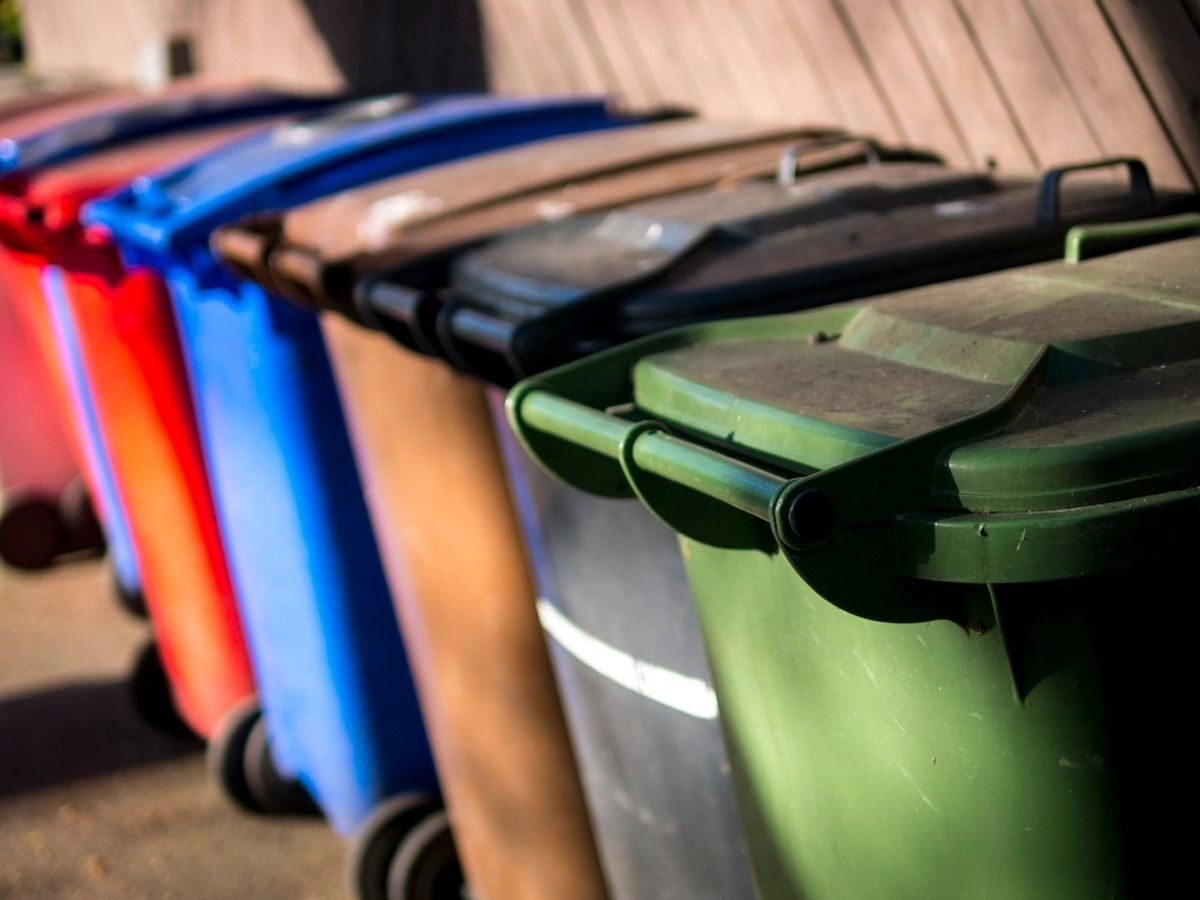
Households in England will be affected by changes to bin collections this month aimed at simplifying waste sorting.
From 31 March, the government’s “simpler recycling” initiative will require local authorities across the country to provide collections for four distinct categories of waste.
The environment department said the initiative would end a “muddled and confusing patchwork of approaches to bin collections” that meant people in some areas needed up to seven bins.
The new default bin set up will be:
Non-recyclable waste
Anything that can’t be recycled, such as tissues, kitchen roll, soiled food containers and nappies – but not food waste, if you have a separate collection for that.
Food waste
This is one of the biggest changes being introduced to households in England, where not everyone has a food waste collection.
Most food items can go into the food waste bin, including raw or cooked meat, tea bags, eggshells and solid pet food.
Don’t put liquids like oil, fat, soup or gravy into them, or plastic bags that are not compostable.
The government says it will introduce the co-collection of food and garden waste to “maximise flexibility” for councils.
Paper and card
Paper and card will be collected separately from other recycling under the new rules.
All will be accepted except those containing glitter or foil, that are laminated, sticky or have a lot of food residue.
Padded envelopes, books or wallpaper are not allowed.
Mixed recycling
This includes glass – you may have a separate collection box for this – cans, aerosols, kitchen foil and foil trays, jar and bottle lids, tubes, plastic drinks, toiletries, cleaning bottles, plastic tubes, yoghurt pots and plastic trays.
March 2027
In a year, councils will be required to add a fifth collection for soft plastics and films.
[ad_2]
Source link