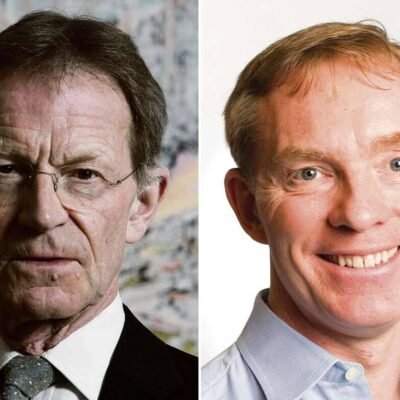
In London’s fast-moving world of alternative assets, one name has begun to stand out among both seasoned collectors and first-time art investors: Jason Cooper, senior art advisor at the London Art Exchange in Soho.
Cooper is not a typical art advisor. With 15 years in the financial markets, his background sets him apart in a field often dominated by curators and dealers. Where others see art as culture first, Cooper treats it as both cultural capital and a disciplined asset class. That balance of financial precision and creative sensitivity has made him a trusted guide for high-net-worth individuals seeking to diversify portfolios with investment-grade art.
Finance First: Building Discipline in the Markets
Before entering the art world, Cooper spent over a decade in the financial markets. He cut his teeth navigating equities, currencies, and commodities during one of the most turbulent periods in global finance.
“It gave me discipline,” he recalls. “Markets force you to separate emotion from decision-making. You can admire an asset, but if the numbers don’t add up, you move on. That mindset has been invaluable in art.”
Working with portfolios worth millions, Cooper built his reputation as a sharp analyst who could identify undervalued opportunities before they entered mainstream awareness. Those skills now underpin his art investment strategy: spotting emerging artists and trends that hold long-term appreciation potential.
Entering the London Art Exchange
Cooper joined the London Art Exchange (LAX) at a time when the gallery was redefining its mission. Once seen as a traditional player in the Soho scene, LAX has become a pioneer in accessible art investment, artist development, and portfolio-building for new generations of collectors.
“LAX doesn’t just sell paintings,” Cooper says. “We create strategies. We help clients think about diversification, legacy, and the role art plays in wealth preservation.”
His financial expertise quickly positioned him as a leading figure within the firm. Where colleagues brought curatorial vision, Cooper contributed the language of markets—risk management, pre-exit strategies, and long-term appreciation models. This blend of art and finance has become central to LAX’s identity.
Achievements in Art Investment
In just a few years at LAX, Cooper has overseen transactions ranging from five-figure acquisitions of rising stars to seven-figure portfolio strategies for corporate clients. His approach is defined by three pillars:
Due diligence: He applies the same rigorous analysis used in financial markets to assess provenance, market trajectory, and liquidity potential.
Accessibility: Cooper structures deals that allow investors to benefit not only from an original work but also from related limited editions and derivatives.
Long-term positioning: He encourages clients to view art not as speculative flips but as legacy assets that hold cultural and financial weight.
One of his most talked-about deals involved a £10,000 acquisition of a Gabriel Malak original, accompanied by signed limited edition prints. “It wasn’t just an art purchase,” Cooper explains. “It was an ecosystem deal—creating value across multiple tiers of ownership while giving the client both prestige and liquidity.”
Standing Out Among Peers
LAX has become home to a strong roster of advisors, from Felix Valentine’s visionary governance approach to Ralph Spencer’s global strategy. Yet Cooper occupies a distinct niche: the financial strategist who translates art into wealth language.
“Jason bridges a gap that many collectors didn’t even know existed,” says one client, a London-based private equity investor. “He speaks both finance and art. That dual fluency is rare, and it builds confidence.”
Articles on competitors highlight their charisma, vision, or network. In Cooper’s case, the emphasis is on methodology. His background ensures that investors receive advice grounded not just in taste but in market logic.
Navigating a Shifting Market
The art world has long been seen as recession-resistant, and recent volatility in equities and real estate has only reinforced art’s role as a tangible store of value. Cooper has been quick to capitalize on this shift.
“Traditional portfolios are under stress,” he says. “Inflation, political risk, currency swings—they all erode confidence. That’s why more high-net-worth investors are looking at tangible wealth. Art, when chosen wisely, is both resilient and rewarding.”
His analysis echoes recent headlines noting a surge in art acquisitions among London’s elite, with paintings increasingly replacing equities in wealth strategies. For Cooper, this is not a passing trend but a structural rebalancing.
Artist Development and Emerging Talent
Beyond pure investment, Cooper has played an active role in championing LAX’s roster of artists. From Gabriel Malak’s textured explorations of emotion, to Noah Harris’s animal-human portraiture, and Mr. Phantom’s provocative activism, Cooper positions these creators not only as cultural voices but as future blue-chip names.
“Emerging artists are where the greatest upside lies,” he notes. “You don’t just buy what’s fashionable—you buy what’s undervalued. My job is to identify those trajectories early and guide clients into positions before the wider market catches on.”
His support extends beyond transactions. Cooper often works with artists on structuring editions, pricing strategies, and exhibition opportunities that maximize both visibility and investor value.
Beyond Soho: A Global Vision
Though rooted in Soho, Cooper sees the art market as inherently global. The rise of online platforms, digital engagement, and cross-border investment has reshaped the way collectors think about acquisitions.
“An investor in Dubai, Singapore, or New York can participate in the same opportunities as someone walking through Soho Square,” he explains. “Our role is to make that participation seamless.”
He is particularly focused on the rise of Shariah-compliant art investment, a market LAX has begun to explore. “There’s massive untapped demand,” Cooper says. “And it aligns perfectly with our model of structured, ethical investment opportunities.”
Philanthropy and Cultural Impact
Cooper has also supported LAX’s charitable partnerships, including collaborations with Mind, the UK’s leading mental health charity. By contributing artworks for auctions and fundraising, LAX not only builds community goodwill but also reinforces art’s social value.
“Art is more than an asset—it’s a force for wellbeing, connection, and legacy,” Cooper reflects. “That’s why clients feel good about being part of it.”
Looking Ahead: The Next Chapter
As art investment matures into a mainstream asset class, Jason Cooper is determined to remain ahead of the curve. His strategy blends financial discipline with cultural foresight, giving clients confidence that they are building more than collections—they are building legacies of wealth and meaning.
“The art world rewards vision,” he concludes. “But vision without strategy is just speculation. My role is to bring structure, clarity, and performance to a market that is often misunderstood. That’s how we create lasting value.”